Smart, Strong People Ask for Help (Yes, Even You)

Asking for help is a skill, not a weakness. The easiest way to start is small: one specific ask, to one person, about one thing you don't need to carry alone. Smart, strong people do it all the time. They just don't make a big deal about it.
You don't have to prove you're smart or strong before you deserve help.

Prefer to listen? I'll read it to you (5 min)
This is an AI version of my voice, made from my own recordings. The real me approved every word. Music: Suno.
Here's how I learned that one (again).
Recently, I was all set to call my son and wish him a happy birthday. Turns out his birthday was on Thursday.
In my defense, our family has two birthdays on the 16th and two on the 19th. Numbers aren't my thing. They never have been.
So I've stopped pretending they are. I ask someone who knows. I've had to teach myself that smart, strong people ask for help. And when I mix things up anyway? I say to myself, grace, honey, we all have things we don't do well.
Sometimes you ask because someone else knows more. Sometimes you know exactly how to do it, and you still need a hand. Both count.
Why is asking for help so challenging?
If you're the dependable one, the one everybody counts on, asking for help can feel like breaking a rule nobody wrote down.
I'm the oldest child. Growing up, if no one raised their hand, I always did. That habit doesn't retire just because you got older. It follows you to work, to the dinner table and to every group text that says "Can someone bring...?"
A lot of us help out because we know we add value, and we'd hate to hurt anyone's feelings. So we keep saying yes, and we keep doing it all ourselves. Then we wonder why we're exhausted.
Here's the flip side: when you ask for help, you aren't letting people down. You're letting people in.

What the Good Enough Method says about asking for help
Perspective
Asking for help doesn't mean you can't do it. It means you know where your time and energy do the most good.
Bare-Ass Minimum
You don't need a big heart-to-heart (or a three-paragraph text you rewrite four times before hitting send). Start with an ask so small it almost feels silly. "Will you grab milk on your way home?" counts. See? Small counts.
It Counts
Every ask counts, even the tiny ones, even the ones that feel awkward. Especially those.
Keep Going
Asking may still feel awkward. You can practice anyway. Ask once this week. If the moment passes, send a text or try another day.
3 ways to start asking for help

1. Hand off one small thing
Pick one item on your list that someone else can do just fine. Folding the laundry. Walking the dog. Making the grocery run. Their version doesn't have to look like yours. Good enough gets things done.
2. Make it specific
"Let me know if you can help" is easy to skip. "Will you walk the dog tonight?" tells someone exactly what you need. They can say yes or no, and you haven't done anything wrong by asking. If they can't, you can ask someone else, simplify the job or decide it doesn't need doing.
3. Say what you need
Name what you're not great at, or what you just don't want to carry alone. For me, it's dates and numbers. Saying it out loud gives someone a clearer way to help. You don't have to feel completely comfortable before you ask.
Try saying this
- "Will you walk the dog tonight?"
- "I'm not great at ___. Will you help?"
- "I can do this, but I could use a hand this week."
- "I could use a hand with the laundry. Will you fold the towels?"
Asking for help with your health counts too
This goes for your health habits too. Asking a friend to walk with you, asking your family to pitch in on dinner, or working with a coach isn't cheating. It's a smart way to make healthy habits fit your real life. Precision Nutrition treats relationships and support as part of your health, not separate from it.
If you want to see how saying no fits into this, read Limits and Boundaries: Why "No" Might Be the Healthiest Word You Know. Asking for help and setting boundaries work together. You don't have to announce the boundary. Just ask: "I could use a hand with the laundry. Will you fold the towels?"

Your turn
What's one thing you don't need to carry alone this week? Tell me in the comments below. I'll go first: remembering dates. Clearly.
If you always end up doing it all and you're not sure why, take my free Why Am I Stuck? quiz. Five questions, two minutes, and one small thing to try this week.
If you're done having people tell you what counts as healthy, you're in the right place.
Good enough gets things done,
Michelle
Asking for help: quick answers
Rules are more fun upside down
Tired of being the rule follower? Every Tuesday, The Flip Side takes one health rule and flips it into something you can use.
Flip my TuesdaysUnsubscribe anytime. No guilt trip attached.
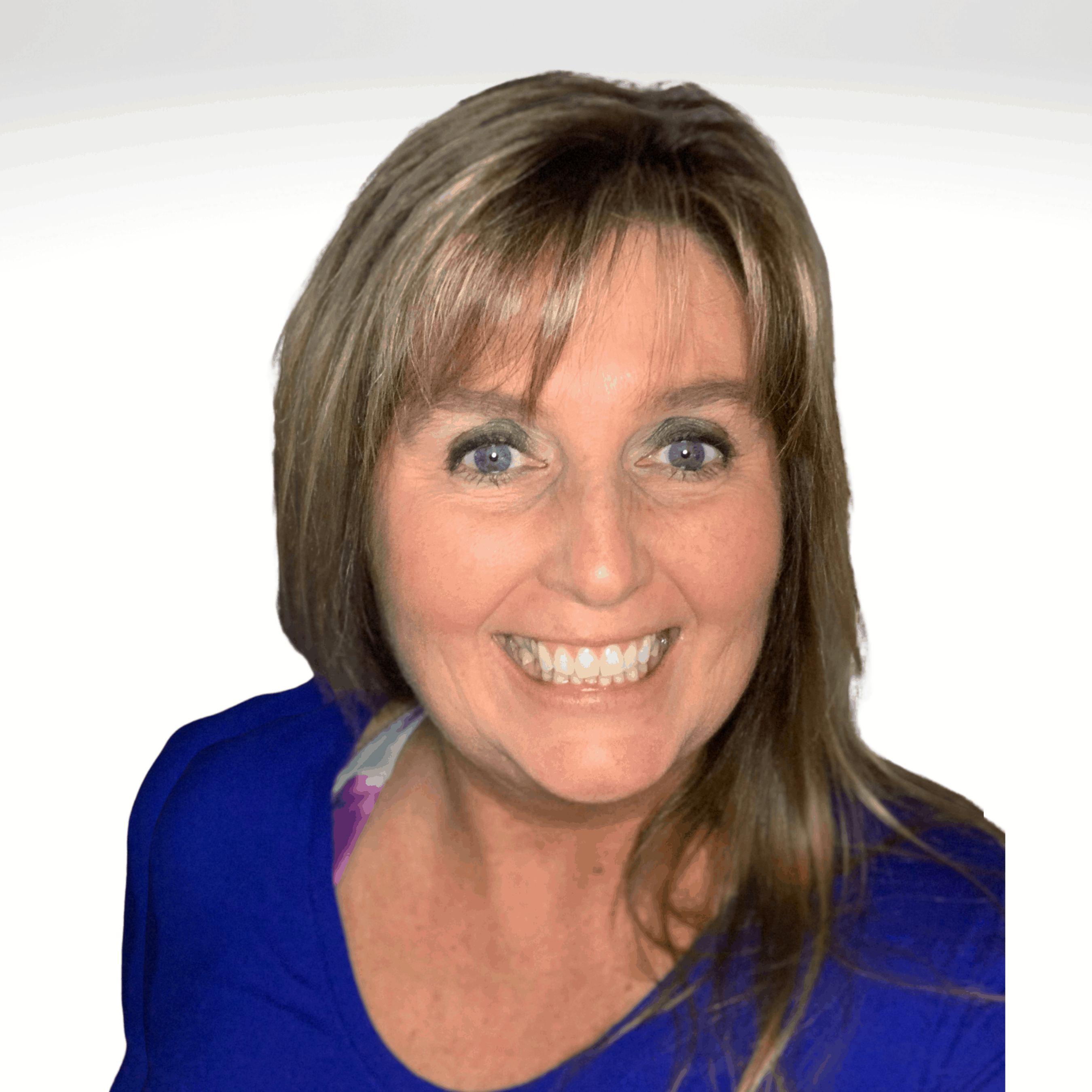
Michelle Johnson Jerome, NBC-HWC
The Perfection Buster
I’m a board-certified health coach who thinks a 10-minute walk counts. I help smart, overwhelmed people make health feel human again, without the diet nonsense, perfection traps, or all-or-nothing thinking. Good enough gets things done.
Get my free checklist →